You're still performing. Still showing up. But the recovery isn't what it was. The back that used to sort itself out overnight now lingers for days. Your energy used to reset after a decent night of sleep. Now it doesn't. You push through, because that's what you do. But the gap between how you feel and how you need to perform keeps getting harder to ignore.
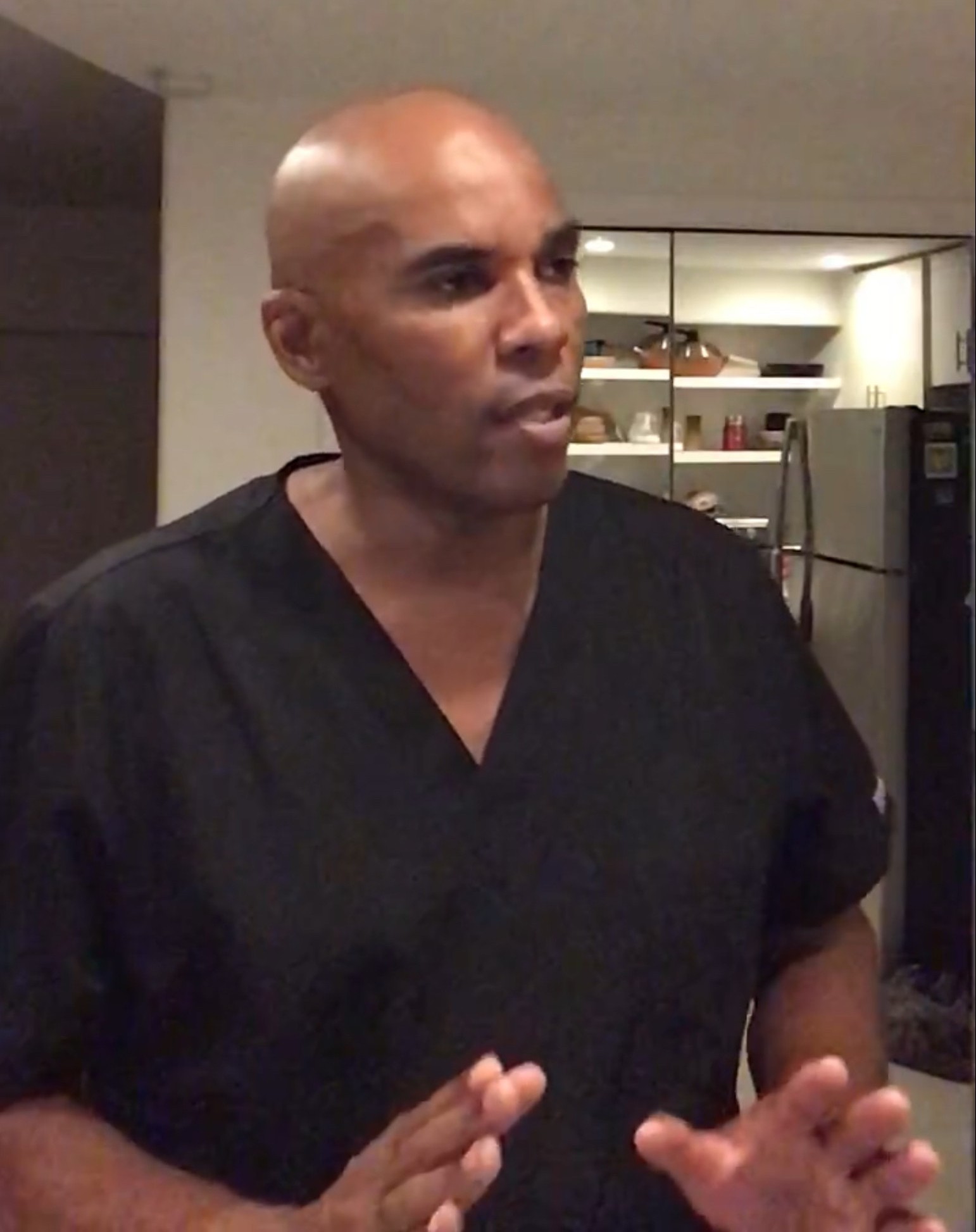
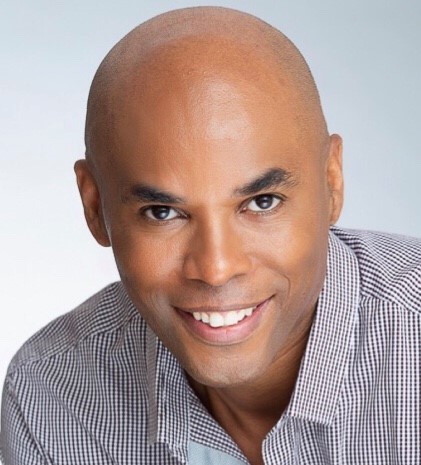
I'm Dr. Andre West. I work with executives and professionals to figure out what's actually driving that change, and what to do about it before it becomes something you can't manage around.
Years of desk work, travel, long hours, and stress don't hurt you all at once. They accumulate. Quietly. Your posture shifts. Your spine tightens in ways you adapt around without realizing it. Your sleep gets lighter. Your body stops bouncing back the way it used to between hard weeks. You chalk it up to getting older, because that's the obvious explanation.
But here's what I've seen over and over with people in demanding careers: it's not age that breaks them down. It's the accumulated load that nobody managed.
Standard care isn't designed for this. You go in when something hurts badly enough. You get treated for that specific thing. You go home. Three months later something else hurts. The cycle repeats. Nobody is looking at the whole picture. Nobody is asking why this keeps happening or what's building underneath it.
Think of it this way. You probably have a financial advisor who looks at your money not as a series of individual transactions but as a system. Someone who keeps the long view. Who adjusts the plan when things change. Who tells you what you need to hear, not just what you asked about.
That's what I do for your body. I look at how you move, how you recover, how your metabolism is functioning, and what the structural picture looks like across your spine, joints, and soft tissue. I put it together into one clear picture and I stay in it with you over time.
Most people have never had that. A clinician with the full context, who stays current with what's changing in your body and adjusts the approach as it does. That's the difference.
My doctorate is in chiropractic, and I hold an ART Elite Provider certification, which is one of the more demanding soft tissue credentials you can earn. I've spent 17 years assessing how the spine, joints, and soft tissue hold up under the demands people place on them, and what to do when they don't.
I'm a certified functional medicine practitioner. That means instead of asking "what do we treat?" I ask "why is this happening?" Most of the things that wear high performers down, fatigue, recurring pain, inconsistent energy, have upstream causes that standard care never looks for. I look for them.
How you move matters as much as how often you move. I'm a certified corrective exercise specialist, which means I can identify the movement patterns that are quietly creating problems and fix them before they become injuries. Nutrition is part of this too. What and when you eat directly affects how your body holds up under load.
I teach biomedical sciences and sit on the advisory board at the Institute for Clinical Acupuncture and Oriental Medicine. Staying in the academic world keeps me honest. I'm not recommending things because they're trendy or because someone sold me on them. I'm recommending them because the evidence holds up.
I have an MBA and spent years in operational leadership in higher education before focusing full-time on this work. That background matters because the people I work with are running businesses and organizations. I understand how they think, how they make decisions, and what it costs them when their body stops cooperating.
After 17 years in practice, I've seen a lot of the same patterns. The executive who's been running on four hours of sleep for a decade and wonders why everything hurts. The surgeon whose shoulder has been quietly deteriorating for years. The founder who hasn't moved properly in so long they've forgotten what it felt like. I know what creates these situations and I know what reverses them.
The reason people cycle through providers without getting better is usually that each provider only sees their piece of it. I look at all five at once, because in my experience, that's where the real answers are.
Your spine, joints, and soft tissue. How well they're holding up under the demands you put on them every day, and what we do when they aren't.
Sleep quality, nervous system regulation, and how quickly your body bounces back from hard days, hard weeks, and hard years. This is where most people are losing the most ground.
Blood sugar, hormones, how your body processes food, and why your energy isn't consistent the way it should be. The answers are usually here.
Focus, decision-making, and the mental clarity you need to do your best work. These are physical things. Sleep, nutrition, movement, and stress all directly affect how well your brain works.
Where you're headed, not just where you are. Heart health, key lab markers, and what we're doing now to make sure you're still performing well a decade and two decades from here.
It starts with me understanding your full picture, not just the thing that's bothering you most right now. From there we build a plan, work through it together, and adjust it as we learn more about what your body needs. It's an ongoing relationship, not a one-time fix.
I look at how you move, how you're recovering, what your labs show, and what your body has been dealing with. Not just the chief complaint. All of it. That picture is what we work from.
No vague recommendations. A clear, prioritized plan based on what your body actually needs, in an order that makes sense for your life and schedule.
Regular check-ins. Adjustments when something isn't working. Direct access when you have questions. I stay in it with you through the full program, not just at the start.
Your body changes. The plan changes with it. We reassess regularly, look at what's improved and what hasn't, and keep refining. This isn't a 12-week program. It's an ongoing relationship.
"The clients I work with best are not those who need motivation. They are those who need a structured, evidence-informed system for managing the physical demands of the life they are already living."
Apply for AdvisorySame clinical thinking as the advisory program. Different format and price point. These are built for people who want access to the work at their own pace.
A comprehensive eight-module program built around the five-domain framework. Covers structural health, recovery, metabolic function, cognitive performance, and long-term durability. Built for high performers 40 and older who want the full clinical framework in a self-directed format.
$497 One-time · Lifetime access Coming Soon Join WaitlistA focused five-day protocol to recalibrate sleep, nutrition, and movement within a single work week. If you are running depleted and need a structured reset before a major period, this is where to start. Concrete results in five days.
$47 One-time · Immediate access Coming Soon Join WaitlistA practical decision guide for sequencing protocols across all five performance domains based on your specific lab markers and lifestyle indicators. If you have heard the longevity science on popular podcasts and want to know what I actually use clinically, this is that document.
Coming Soon In Development Get NotifiedWhy high performers decline in ways standard care never catches, and what 17 years of clinical practice actually looks like.
Listen on Spotify →The clinical reasoning behind the six formulations and why the existing supplement market didn't meet my standard.
Listen →What the PerformanceOS program is, how it works, and who it is built for.
Listen →I write about the gap between what popular podcasts recommend and what 17 years of practice has actually taught me. Published on Substack.
Read the Articles →Most of my clients recognize themselves in at least one of these.
Hard weeks used to sort themselves out. Now the fatigue carries forward.
Not a dramatic injury. Something persistent that never fully clears up.
Labs come back fine. But something is off and nobody has a straight answer.
Still performing. But running below capacity and you know it.
Nothing is seriously wrong. But you want a system before it becomes a problem.
These are the ideas that shape how I approach every client. Not a philosophy statement. Just the things I've found to be true after 17 years of doing this work.
In 17 years of practice I have not seen many dramatic breakdowns. What I have seen, repeatedly, is the slow accumulation of unmanaged load. A back that gradually tightened. Recovery that slowly shortened. Energy that quietly declined. The pattern is almost always the same. The intervention point is almost always later than it needed to be.
Apply for advisory →The majority of people I see with chronic back pain, joint pain, or recurring soft tissue problems have had the same thing treated multiple times without anyone addressing why it keeps coming back. The diagnosis is usually not the missing piece. The missing piece is a sustained, structured approach to the underlying mechanics.
Apply for advisory →Effort alone does not preserve capacity. The executives and professionals I have worked with who are still physically sharp in their 60s and 70s are not the ones who pushed through everything. They are the ones who treated their physical health as something to be managed deliberately, with the same rigor they brought to everything else.
Apply for advisory →I read every application myself. If it sounds like a good fit, we start with a full intake and assessment so I actually understand your situation before we do anything else. I take a limited number of clients at a time, so if you're serious, apply sooner rather than later.
andrewestconsulting.com · performanceopto.com · info@andrewestconsulting.com